



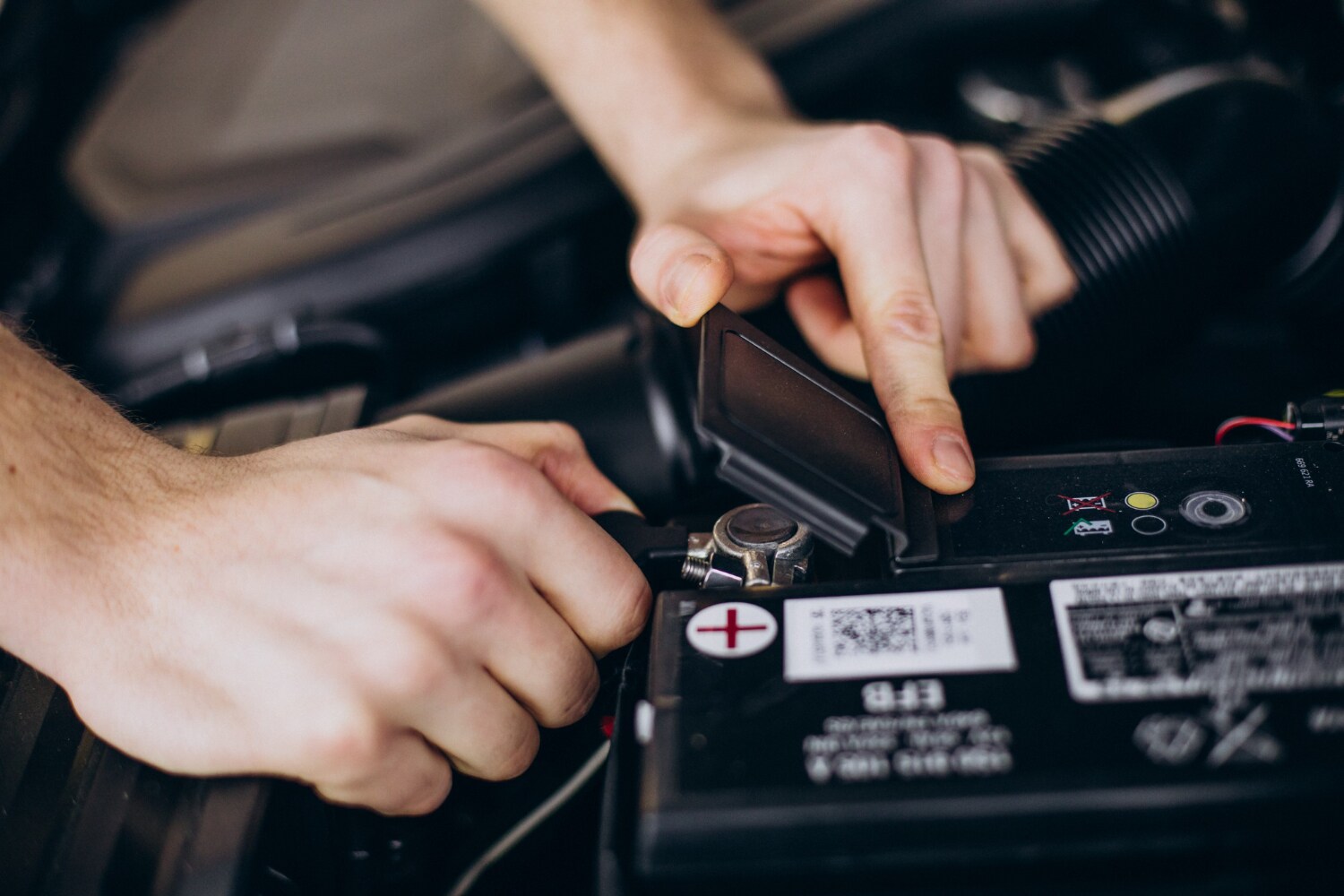
How Long Do Car Batteries Last?
Just about everyone knows to be cautious of cold temperatures in winter because they can quickly drain your battery. In Stroudsburg, East Stroudsburg, Wind Gap, Stockertown, Pennsylvania, winters can get very cold, and these temperature swings can cause problems with car batteries.
But what about the battery’s overall lifespan? When is a car battery truly at risk of failing, and how can you prevent it from leaving you stranded?
Understanding car battery life, maintenance, and warning signs can help you avoid unexpected problems, ensuring your vehicle starts reliably every time. Today at Ray Price Stroud Ford, we’ll be your guide to help you understand how long car batteries typically last.
How Car Batteries Work
A car battery is a rechargeable energy storage device that powers your vehicle’s electrical systems. At its core, most car batteries are lead-acid batteries, which consist of six cells, each generating roughly 2.1 volts for a total of about 12.6 volts when fully charged.
Inside the battery, lead plates interact with sulfuric acid to create a chemical reaction that produces electrical energy. When you start your car, the battery provides the surge of electricity needed to power the starter motor and ignite the engine. Once the engine runs, the alternator takes over, generating electricity to power the vehicle’s electronics and recharge the battery.
The battery also powers other systems when the engine isn’t running, such as lights, infotainment systems, and security features. Without a properly functioning battery, your vehicle may struggle to start, or electrical components may behave unpredictably.
Car Battery Lifespan
Battery life depends on several factors, including usage patterns, climate, and the battery's quality.
- Typical Lifespan: Most car batteries last two to five years under normal conditions.
- Premium Batteries: Higher-quality batteries from reputable manufacturers can last up to six years.
- Mileage-Based Lifespan: Some batteries are rated for 30,000 to 50,000 miles, though environmental and usage factors often influence actual longevity.
Extreme weather, frequent short trips, or leaving electrical components on when the engine is off can shorten a battery’s lifespan. Understanding these factors can help you extend your battery’s life and avoid sudden failures.
About Car Batteries
Car batteries are designed to provide reliable power for several years; however, their actual lifespan can vary significantly based on driving habits, climate, and battery quality. On average, a typical car battery lasts two to five years under normal conditions. High-quality, premium batteries from well-known manufacturers can last up to six years, especially if properly maintained.
Mileage can also be a factor. Many batteries are rated to last between 30,000 and 50,000 miles, although environmental conditions and usage often play a larger role than mileage alone. For example, short trips prevent the alternator from fully recharging the battery, which can reduce its life, while regular long drives help keep it fully charged.
Extreme temperatures also influence battery longevity.
For example, cold weather can slow the chemical reactions inside the battery, making it harder to start your vehicle. While this doesn’t directly shorten a battery’s overall life, repeated cold starts can strain an aging battery.
High heat can accelerate water loss and cause the battery plates to deteriorate more quickly, reducing lifespan.
Ultimately, age is the most reliable indicator. Even if a battery seems to work fine, if it’s more than three to five years old, it’s wise to have it tested or replaced proactively. This prevents unexpected failures and ensures your vehicle starts reliably every time.
Types of Car Batteries
Understanding the type of battery your car uses helps with maintenance and replacement decisions. Common car battery types include:
- Lead-Acid Batteries: The standard in most vehicles. Reliable and cost-effective, but require maintenance in some cases.
- Absorbent Glass Mat (AGM) Batteries: Designed to handle higher electrical demands and resist vibration, and are often used in modern vehicles with advanced electronics.
- Gel Cell Batteries: Sealed batteries that use a gel-like electrolyte. Less common but durable and resistant to leakage.
- Lithium-Ion Batteries: Found in electric vehicles (EVs) and hybrids. Lighter and more energy-dense, but significantly more expensive.
Knowing your battery type allows for proper care and replacement, ensuring compatibility with your vehicle’s electrical system.
Warning Signs of a Failing Battery
Even with routine maintenance, batteries eventually wear out. Knowing the warning signs helps you act before you get stranded:
- Difficulty Starting the Engine: A sluggish engine start or a clicking sound when turning the key often indicates a weak battery.
- Dim or Flickering Lights: Headlights or dashboard lights that dim or flicker can signal declining battery power.
- Corrosion on Battery Terminals: A white or bluish powder around battery terminals is a sign of corrosion, which can prevent a proper electrical connection.
- Swelling or Leaking Battery Case: Bulging battery cases or visible leaks indicate internal damage and mean the battery should be replaced immediately.
- Unusual Electrical Behavior: Erratic functioning of electrical systems, such as erratic dashboard gauges, malfunctioning infotainment, or intermittent power to accessories, can point to battery problems.
Remember, if your battery is more than three to five years old, even if it seems fine, have it tested. Age alone is a strong predictor of failure.
Battery Maintenance and Testing
Pay attention to your battery with regular care, such as:
Visual Inspections
Check the battery for corrosion, leaks, or swelling. Clean terminals with a mixture of baking soda and water if corrosion is present.
Keep the Battery Charged
Try to maintain a full charge. Avoid leaving the car idle for extended periods, especially in cold weather. For vehicles that sit unused, consider a battery maintainer or trickle charger.
Professional Testing
Automotive technicians can perform a load test to measure battery voltage and assess health. Testing during routine service is an excellent way to identify a weakening battery before it fails.
Keep Connections Tight
Loose terminals can prevent the battery from charging correctly. Make sure cables are snug and clean.
Avoid Excessive Drain
Turn off interior lights, music systems, and other accessories when the car isn’t running to prevent unnecessary battery drain.
When to Replace a Battery
Replacement timing depends on age, performance, and physical condition:
- By Age: Most batteries last 2–5 years, with 4–6 years for premium models. Replace proactively if approaching this age range.
- By Performance: Struggling to start your car, dimming lights, or erratic electrical systems are indicators of replacement.
- Physical Damage: Swelling, leaks, or significant corrosion necessitate immediate replacement.
- Professional Advice: Technicians can recommend replacement based on testing results even if the battery hasn’t failed yet.
Regular battery checks during routine maintenance can prevent surprise breakdowns and keep your car reliable.
How Can I Extend My Car’s Battery Life?
There are several ways that you can proactively try to extend your car’s battery, including:
- Drive Regularly: Short trips limit recharge cycles; longer drives allow the alternator to recharge fully.
- Temperature Protection: In extreme cold, park in a garage when possible. In hot weather, ensure battery fluid levels are adequate and keep the terminals clean.
- Use Electronics Wisely: Avoid leaving lights, A/C, or radios on when the engine is off.
- Routine Checks: Inspect terminals and fluid levels at least twice a year or during scheduled service visits.
Following these practices can extend the life of your battery, saving you time, money, and stress.
FAQs
Can a dead battery recharge itself if I drive immediately after it dies?
A completely dead battery may not recharge fully just by driving. It’s best to jump-start the battery and have it tested to ensure it can hold a charge.
How does cold weather specifically affect battery performance?
Cold temperatures slow chemical reactions inside the battery, reducing its capacity to deliver the current needed to start the engine.
Can a battery die if I don’t use my car for a long time?
Yes. Batteries slowly discharge over time, even when not in use. Long-term storage may require a battery maintainer to prevent complete failure.
Are there differences in maintenance between AGM and standard lead-acid batteries?
AGM batteries are sealed and generally maintenance-free, whereas standard lead-acid batteries may need water added to electrolyte levels and regular terminal cleaning.
Can my car's alternator be causing battery problems?
Yes. A failing alternator can prevent the battery from charging, leading to slow starts or electrical malfunctions. Always test both if battery issues persist.
What’s the best way to dispose of an old car battery?
Take it to a recycling center or auto parts store. Car batteries contain lead and acid, which must be handled with care and caution. Most stores accept old batteries when you replace them with a new one.
Learn All About How Long Car Batteries Last Today
Now that you know how long your car’s battery may last, Ray Price Stroud Ford offers professional battery inspections and replacement near Stroudsburg, East Stroudsburg, Wind Gap, Stockertown, PA. Our Ford-certified technicians can test your battery, clean terminals, and advise you when a replacement is necessary.
Whether you need routine service or a complete battery replacement, we make sure your vehicle starts reliably every time.
*SOURCE - acg.aaa.com
How can we help?
* Indicates a required field